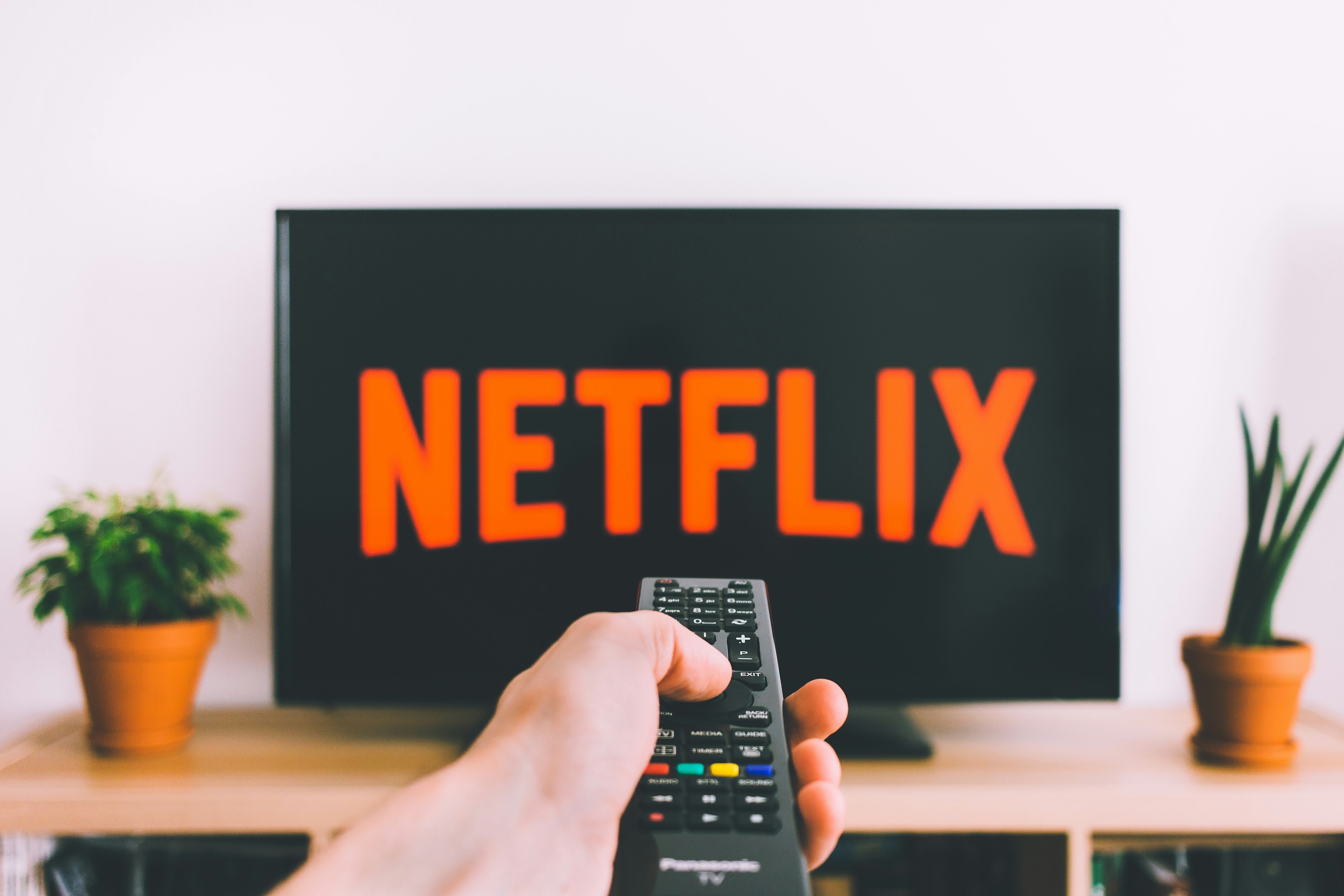
Whether you realize it or not, someone probably owns you. I know. It sounds awful, doesn’t it? Okay, to put it nicely, I mean someone owns at least some of your attention. Your owner, to whom you may have happily and willingly surrendered parts of yourself, is probably a billionaire somewhere in a coastal city on the west coast of the US or on a yacht in Saint Lucia. Somewhere where the weather is good all year round.
They don’t know who you are. It’s not personal. But their businesses know quite a lot about people like you and me: what keeps us watching, what makes us click, what makes us come back, what makes fifteen minutes somehow turn into an hour. They will own that part of you for as long as you continue to willingly give your attention to their streaming platforms, apps, and websites. And they will continue amassing insane profits from it. It is most likely how some of them will become trillionaires.
And then there’s you. I am hardly immune to any of this, so there’s me too. The owned. Some have called this the “attention economy”, which is accurate, although the phrase is so tidy that it almost makes the whole thing sound harmless.
It isn’t.
Today, most of us have, in one way or another, been turned into products to be mined by tech and media companies. I am not talking about a healthy, well-controlled routine of a movie every weekend, for instance. I mean the way many of us, myself included, have become living, breathing media and entertainment consumption machines for technologies that have been engineered to be highly addictive. I can sit down intending to watch one useful YouTube video and emerge much later having wasted hours watching something I had absolutely no interest in when I started. Streaming platforms want us to watch another episode, another show. Social-media platforms want another scroll. News websites want another click. It’s endless. We know that an enormous amount of money is now made from capturing and holding human attention.
You can call this whatever you want, but what we are doing is relinquishing a lot of control over our attention. We hand it over ourselves, often without thinking very much about it. And increasingly, the systems doing the asking are very good at it. AI is already making them even better.
That is unsettling enough on its own. But what I find even more interesting is how little most of us understand about our own ability to make choices. Free will, if you want to call it that. Because somewhere in all this is a question I keep coming back to: how much of what I do with my attention am I choosing?
I know what all this has done to my own ability to concentrate, to sit still, to be bored, and just be. There is something strange about realizing that even your supposedly free time is constantly being competed for. Someone wants you watching something. Someone wants you buying something. Someone wants you reacting to something. Someone wants you outraged about something.
What I am increasingly suspicious of is my inability to decide when enough is enough. That is what I am most concerned about. Because at some point the problem stops being only about the people who built the machines, the platforms, the algorithms, and the business models. At some point it becomes about me.
If all this sounds like a nightmare, that is probably because, at least to me, it increasingly feels like one. What I have been trying to figure out is what to do about it before these technologies completely rewire how I spend my time and attention.
And here is the thing I keep coming back to: I don’t think anyone is coming to save me. Not another book. Not a life coach. Not a psychologist. Not a therapist, especially a therapist.
At some point, I must take full responsibility for my own attention. And the thing is, I think I already know what to do, which is weirdly both comforting and uncomfortable. I can delay it by reading about it. I can think about it endlessly. I can write about it like I am doing now. Or I can go search within myself and do something about it. Just stop. Just do it, as Nike says.